How to Measure Stamp Perforations Accurately
Accurate perforation measurement is essential for stamp identification and grading. This guide covers reliable methods and tools to ensure precision.
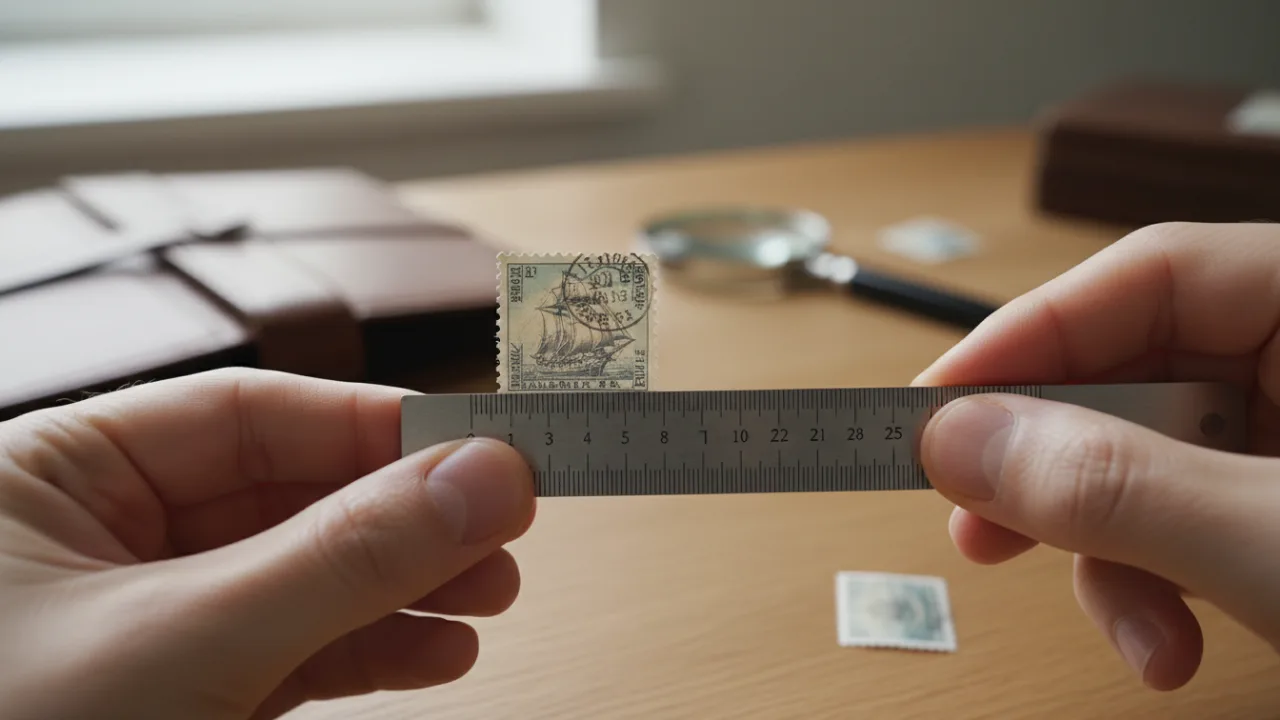
Key takeaways
- Use a perforation gauge for precise measurement
- Count perforation teeth within a 2-centimeter span
- Record measurements as perforation per 2 cm
- Avoid common errors like miscounting or using improper tools
Why Perforation Measurement Matters
Stamp perforations serve both functional and identification purposes. They determine how stamps separate from sheets and provide crucial information for cataloging and authentication. Precise measurement helps distinguish between similar stamps and affects value significantly.
Many collectors overlook perforation details, but they can reveal variations within the same stamp issue. Proper measurement is fundamental to accurate and authentication processes.
Essential Tools for Measurement
The perforation gauge is the primary tool for accurate measurement. These specialized devices feature printed scales that align with stamp perforations to provide immediate readings. Digital gauges offer enhanced precision but traditional printed versions remain popular among collectors.
Additional useful tools include a good magnifying glass for examining perforation quality and a pair of stamp tongs to handle stamps without damaging the perforations. These tools are essential for maintaining stamp condition during examination.
Step-by-Step Measurement Process
- Step 1Position the Perforation GaugePlace your stamp against the perforation gauge, aligning the stamp's perforated edge with the gauge's measurement scale. Ensure the perforation teeth fit perfectly into the gauge's pattern for accurate reading.
- Step 2Count the PerforationsMove the stamp along the gauge until the perforations align exactly with one of the gauge's numbered lines. The number where perfect alignment occurs indicates the perforation count per 2 centimeters.
- Step 3Record All MeasurementsMeasure all four sides of the stamp separately, as perforations can vary between horizontal and vertical edges. Record measurements as 'perf x perf' format (e.g., 14x15 for different horizontal and vertical counts).
- Step 4Verify and DocumentDouble-check measurements from different angles and document them in your along with other stamp details for future reference and authentication purposes.
Common Measurement Challenges
Several factors can complicate perforation measurement. Worn or damaged perforations may not provide clear alignment, while compound perforations (combinations of different gauges) require separate measurement of each section.
Environmental factors like lighting and visual acuity also affect accuracy. Working in well-lit conditions and using magnification can significantly improve measurement precision, especially for older stamps with delicate perforations.
Interpreting Perforation Measurements
Perforation measurements follow standard philatelic conventions where numbers represent the count of perforation holes within a 2-centimeter span. Higher numbers indicate finer perforations, while lower numbers suggest coarser spacing.
Understanding these measurements helps in identifying stamp issues and varieties. Many stamp catalogs and use perforation specifications as key identifying characteristics for different editions and printings.
Precise perforation measurement can distinguish between common stamps and valuable varieties, making it an essential skill for serious collectors.
Advanced Measurement Techniques
For particularly valuable or difficult-to-measure stamps, advanced techniques include using digital microscopes or specialized software that can analyze perforation patterns. These methods provide extreme precision but require additional equipment and expertise.
Some collectors participate in where they can compare measurement techniques with other philatelists and learn advanced methods from experienced collectors and experts in the field.
Frequently Asked Questions
Frequently asked questions
Can I measure perforations without a specialized gauge?
While possible using rulers and counting methods, a perforation gauge provides significantly better accuracy and is recommended for serious collecting and authentication purposes.
How do perforation variations affect stamp value?
Significant perforation variations can create scarce varieties that command premium prices. Even minor differences can affect value, especially for stamps where perforation changes indicate different printings or editions.
What should I do if my measurements don't match catalog specifications?
Double-check your measurement technique and equipment. Consider that you might have discovered a variety, but also ensure you're using current catalog information and proper measurement methods before drawing conclusions.
Are there resources for learning more about perforation identification?
Many and educational materials cover perforation measurement techniques. Visiting and museums can also provide hands-on learning opportunities with expert guidance.
Read also: Stamp Grading Checklist: What to Inspect First, Collection Rare Stamp Catalog Aripex, About Aripex Philately Museum & Collector Community.